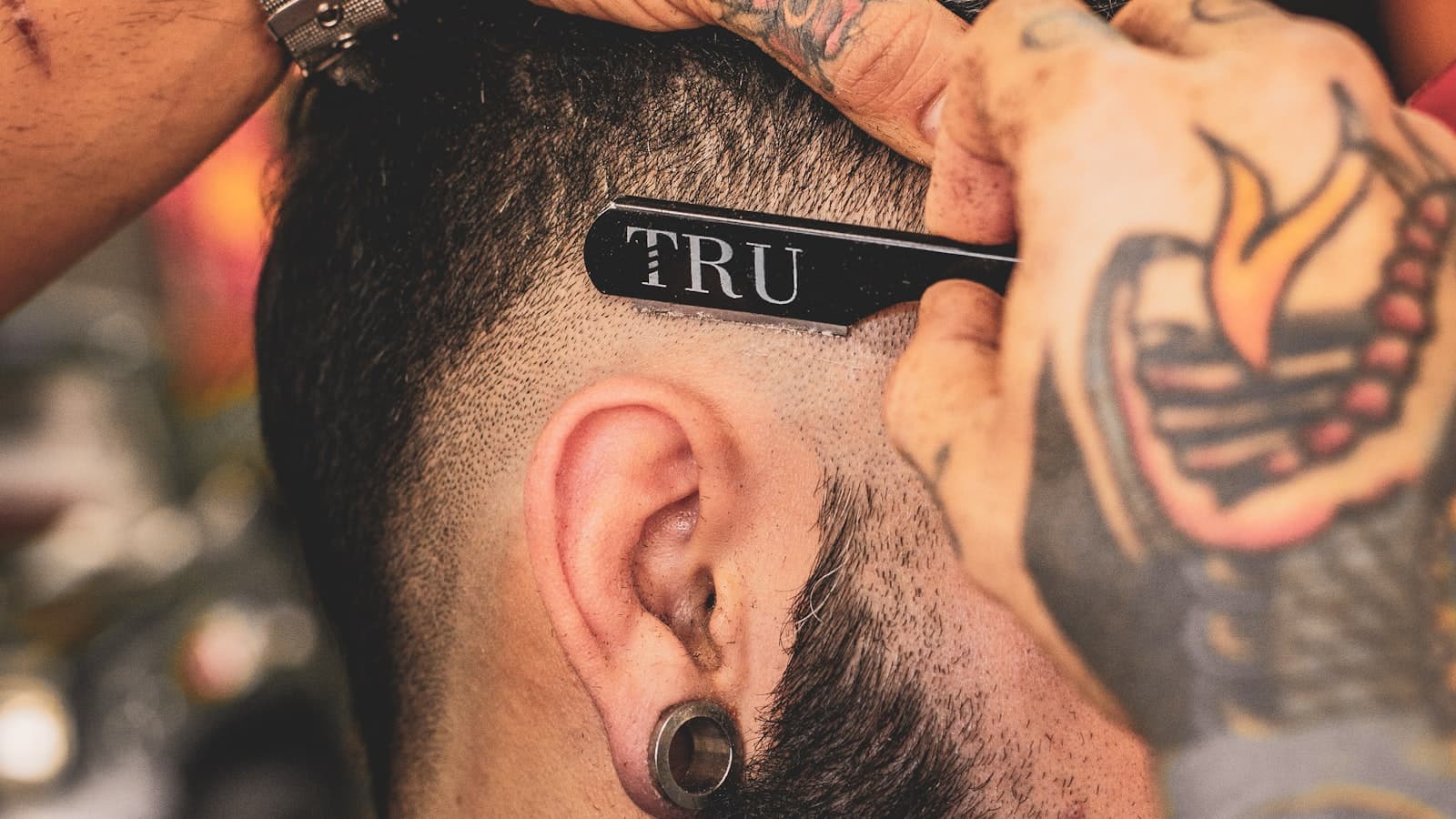
Hair Transplants: What They Can and Cannot Do
Brazil is a destination for FUE. The surgery moves follicles. It does not switch off the hormone that emptied the ones you already had. How to read a clinic before you become a before-and-after.
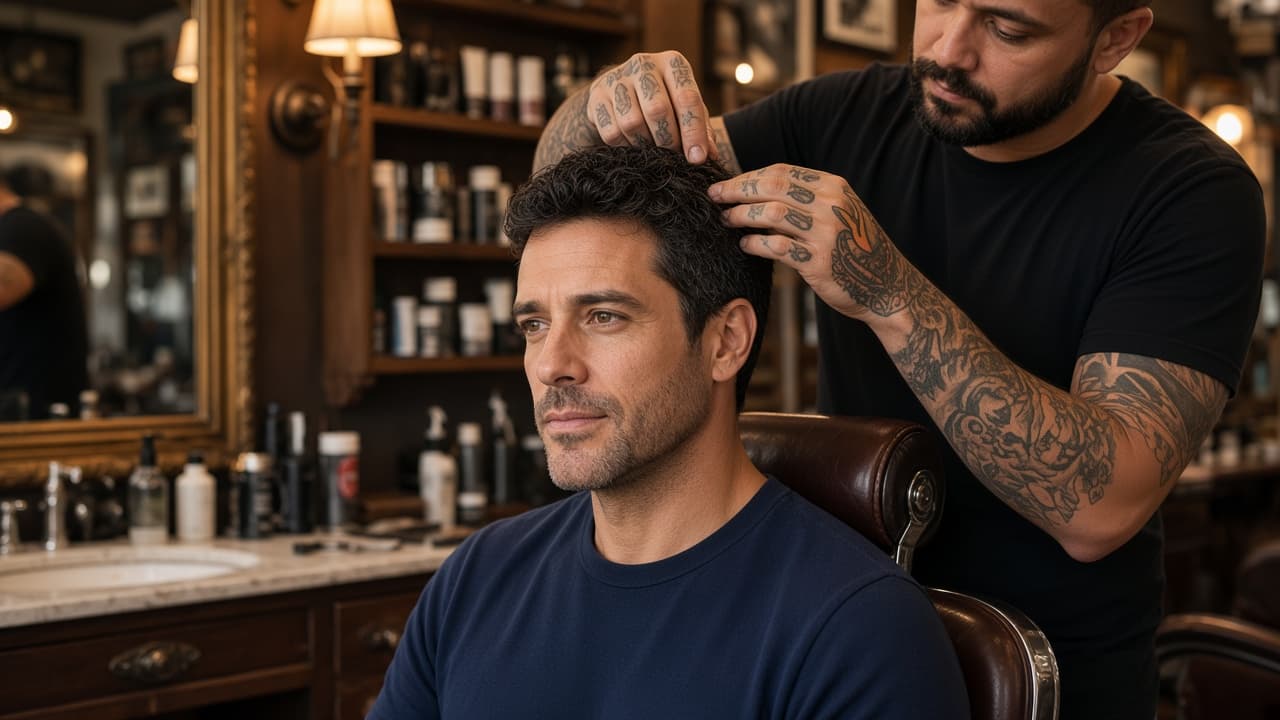
A hair transplant is the most honest product in the baldness market, which is not the same as a guarantee. It takes follicles from a zone that is not programmed to miniaturise and puts them where you would like hair to be. The new hair is yours. The old pattern is still running.
Brazil has the surgeons, the prices and the Instagram galleries to match a global demand. That combination produces excellent work and a volume of mediocre work that is hard to see until the twelve-month photograph.
General educational information, not medical advice. A transplant is surgery. Infection, shock loss, a hairline that looks drawn-on, and a donor area that has been over-harvested are all in the literature. A dermatologist who also operates is a different conversation from a clinic that only operates.
What you are actually buying
FUE (follicular unit extraction) takes individual follicular units. FUT (the strip) takes a strip and leaves a linear scar. FUE is what most Brazilian clinics now sell because the scar is scattered and short-hair-compatible. It is not "scarless". It is a different scar.
The transplanted hair typically sheds in the first weeks and then grows in over months. Judging the result before a year is how men book a repair they did not need, or fail to book one they did.
What it will not do:
- Create follicles. The donor supply is finite. A young man with an aggressive pattern can run out of donor hair before the pattern has finished.
- Stop androgenetic alopecia in the hair you did not move. Without minoxidil and a 5-alpha reductase inhibitor, the crown behind a new hairline can empty.
- Look like a 21-year-old hairline on a 45-year-old forehead. Density and design have to match the face you will have in ten years, not the face in the moodboard.
How to read a Brazilian clinic
Ask who the surgeon is on the day, not whose face is on the ad. Ask how many grafts they think you need, and what they will do if that number would over-harvest the donor. Ask what medical treatment they want you on beforehand. A clinic that is irritated by the medicine conversation is planning to sell you a second session.
Look at results in men with your Norwood, your hair colour and your curl — Brazil has a lot of curl, and curl is forgiving of lower density. Look at donor areas, not just hairlines. Look at twelve-month pictures, not day-seven pictures with a good camera.
A price that is a round number on a landing page, with a "package" of hotel and transfer, is a tourism product. Some tourism products are performed by excellent surgeons. Some are not. The package is not the evidence.
Age, which is the decision most men skip
Transplanting a 23-year-old with early recession is how you commit to a hairline the rest of the pattern will not keep up with. Many decent surgeons will delay, put the man on medicine, and wait to see the pattern. That delay is not upselling. It is the difference between one operation and a career as a repair patient.
When not to do this
Active skin disease on the scalp, unrealistic density goals, a donor area that is already thin, a body-dysmorphic conviction that only a particular millimetre of hairline will do, or an expectation that the surgery replaces finasteride. A dermatologist who does not operate is a useful second opinion before you fly anywhere, including to another Brazilian city.
Our disclaimer sets out the limits of what this site does.